
We Have a Chance to Elect a Good Dude
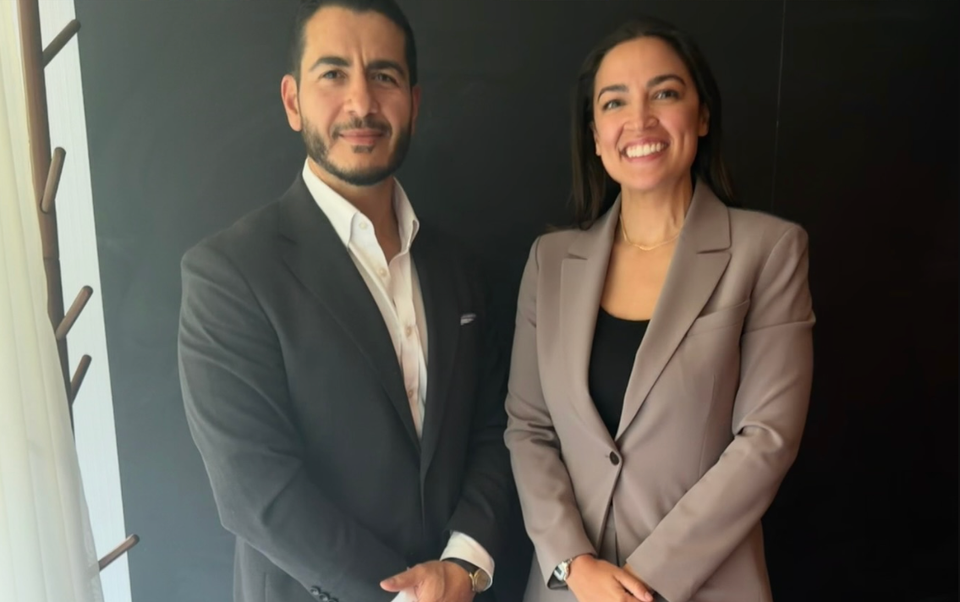
Graham Platner is done, or close enough that it would be nice if we never spoke of him again, except to repair the damage that’s been done by introducing him into America’s bloodstream without any of the necessary screening whatsoever. And ask why any of this ever happened.
This reads to some — leftist men most significantly, it seems — as another straw on the back of the idea that we can’t have good things. They seem to feel that the policies that Platner represents — Medicare for All, aggressively reversing billionaire capture of our government and lives, human rights in both Israel and Palestine — have been rejected by the donor-heeled establishment, as they always are. And it’s been done in the most HR lady way possible: weaponizing the imperfections of one burly man. Cenk Uygur is the purest version of this take: he dismissed the reporting as a media hit job on an outsider who wouldn’t take orders from AIPAC, and said he wouldn’t believe any of it.
That’s — for lack of a medical term — bullshit. It’s a way to villainize brave survivors who spoke up. It’s a way to pathologize men as being incapable in this fallen society of acting with the most basic human decency. We not only can have a movement where women feel safe and empowered while men are bold and manly as they want to be, we must.
In short: the messenger is the problem, the message is the solution.
And I know that because here in Michigan we have a man who represents all of those values without any of the baggage that came with elevating Platner — while still embodying the most essential progressive value there is: being a good human.
Or in this case, a good dude.
Good resume
El-Sayed was born and raised in Southeast Michigan, the son of his father Mohamed, an Egyptian immigrant, and his stepmother, Jacqueline, whose family has farmed Gratiot County since the 1800s. He captained football, wrestling, and lacrosse at his public high school, played lacrosse at Michigan, won a Rhodes Scholarship to Oxford, and earned his medical degree at Columbia. He lives in Ann Arbor with his wife, Sarah, and their two daughters, Emmalee and Serene, which meets the key requirement for being a self-proclaimed “girl dad.”
That instinct shows up at home, too. His daughter Emmalee, seven, started noticing a marijuana dispensary called Cookies on the way to hockey practice in Ann Arbor.
“I had to explain to her that they don’t sell cookies,” he told UnHerd. He added that a business could name itself after something built to appeal to a kid while selling something explicitly not meant for one.
He flips the “toxic masculinity” framing by asking what a benevolent masculinity looks like. He locates young men’s loneliness and anger in the industries that profit from it- sports betting, gambling apps, pornography- and argues that Democrats should regulate the corporations doing the damage instead of blaming the women in men’s lives.
From his bio: He rebuilt Detroit’s Health Department after the city’s bankruptcy, then ran Wayne County’s Department of Health, Human & Veterans Services for 1.8 million residents.
“I kept coming up against all of the structural imbalances in the system that make people sick in the first place,” he told Rebekah Jones.
He told Northwestern students in 2019 that his faith teaches that all people are equal and that justice for them is a responsibility. He said he doesn’t back down from unpopular beliefs, and he doesn’t let disagreement become an excuse for cruelty. This is what I think makes people see him as a fighter. He has high standards for himself and for what the government could be doing for people, but isn't... yet.
The case for him
The case, as Dad Briefs laid it out, isn’t the standard moderate-versus-progressive framing. El-Sayed’s diagnosis of American politics is simpler than that: the people who’ve been locked out against the people doing the locking out.
He takes no corporate PAC money, even though he is being wildly targeted by some of the most aggressively anti-progressive groups in existence. AIPAC alone has already spent roughly $23 million against him, by his own count, with more expected before the primary.
“Money talks only a little bit in politics,” he said. “People talk in politics.”
His broader prescription for the massive focus on the cost of living, AKA "affordability" — rent, groceries, childcare, prescriptions — traces every symptom back to the root of all evil: money, AKA power. This is also the logic behind taxing extreme wealth, breaking up monopolies, banning stock buybacks, and overturning Citizens United.
We're all family
One element of El-Sayed’s Senate platform you’ve surely heard about is Medicare for All. This is the full version, like what most civilized societies have. No premiums, no copays, no deductibles, coverage that doesn’t vanish when you lose or switch a job. For parents, that’s not abstract. It’s the ER visit for a kid’s broken arm that doesn’t become a payment plan when you need to be saving gobs for child care and then camps and then college.
Vox made the case for starting universal coverage with kids rather than with adults: children’s health needs skew toward routine, preventive care — vaccines, checkups, the basic maintenance of a healthy body — which makes covering them comprehensively far cheaper than covering everyone at once. And because kids age out of a program instead of aging into it, their parents become a constituency that wants the guarantee to expand, not shrink. That’s the opposite of what’s happened with Medicare for seniors, where beneficiaries of an existing benefit have grown warier of extending it to anyone else. A guarantee built around families builds its own immunity to being rolled back.
And I always say the case for Medicare for All is not if but when and how. 77% of voters under 45, and a majority of voters of all ages, support Medicare for All — even after hearing the case against it.
Abul’s idealism delivered through pragmatism can be seen in his record — glasses for students, lead out of schools, debt relief for struggling families.
People just like this dude
A Lake Research Partners poll in June gave El-Sayed a net favorability of +44, higher than either of his primary opponents. His numbers kept climbing as voters got to know him, while Stevens’ favorability slid. A Quantus Insights poll that same month had him leading the primary 41-36. Back in April, before most of the party had noticed him, an Emerson College poll already had him tied for first.
The general election numbers are the ones that should worry the party more. Multiple polls have shown him matching or beating Stevens against Mike Rogers, in a state Trump carried twice.
And you can see why. Well, at least New York Times columnist Jamelle Bouie can:
The stakes
Michigan’s primary is August 4. Trump won the state in 2024, and the Senate GOP’s campaign arm is running ads against El-Sayed, which tells you they’re worried about how broad and, let’s say, Mamdani-like his appeal is. He’s framed the race as a test of whether the party’s left flank can actually win a swing state, not just talk about it.
Set that against Platner’s collapse, and the contrast is plain: one campaign negotiating its own succession, and one candidate who seeks better for everyone.
It’s exactly what you want from a good dude.
Member discussion